The Word Natural Does Not Explain a Whole Product
The word natural on food labels can sound reassuring, but it cannot settle questions about ingredients, processing or suitability. Here is what to check instead.
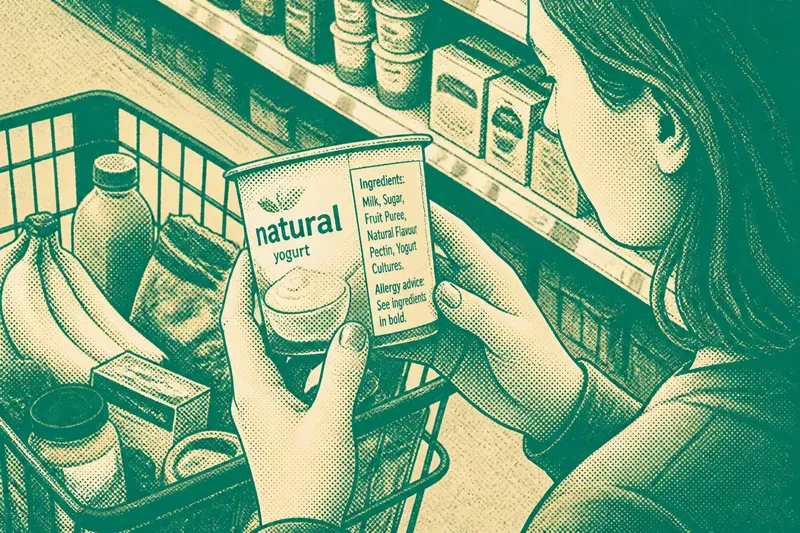
What does “natural” tell you about the food in your hand? On a food label, the word natural may suggest something simple or familiar, but it cannot, by itself, explain the ingredients, how the product was processed or whether it suits your needs. Treat it as a broad description, not a full account of the product.
That distinction is useful in the supermarket, where a confident front-of-pack claim can draw the eye before you have read the rest. These five checks help you work out what the word leaves unanswered.
1. Read the claim as a starting point, not a definition
“Natural” sounds precise because it is a single, plain word. In practice, it does not tell you which feature of a product the maker means: the source of an ingredient, the way it was prepared, or an overall impression of simplicity. The pack may offer further explanation, but the word alone does not.
For example, a “natural” claim is not a complete description of a recipe. It does not tell you how many ingredients are present, what they are, or how much of each is used. Nor does it tell you whether the product is intended for a particular dietary need.
It helps to ask a small, practical question: “What do I still need to know before choosing this?” That keeps the claim in perspective without assuming that it is either a reliable shortcut or a warning sign.
2. Check the ingredient list for the details the front leaves out
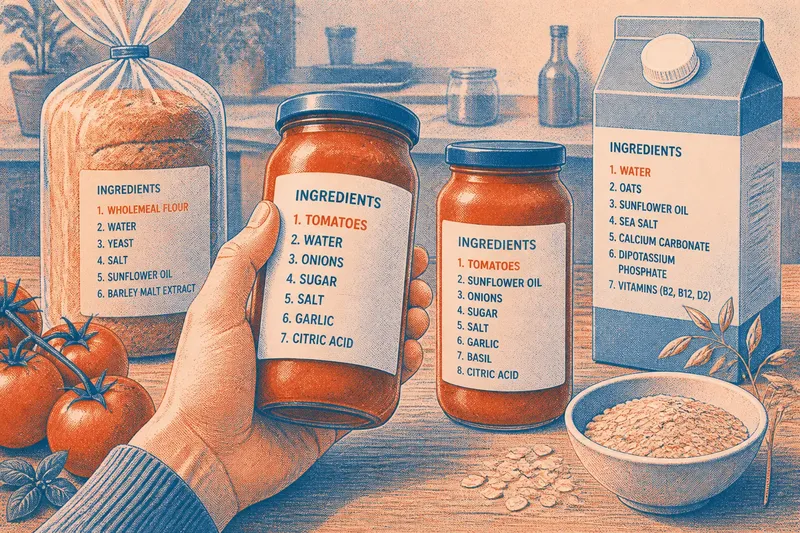
The ingredient list gives you names to consider, whereas “natural” gives you an impression. Read the names that matter to your decision, such as a particular sweetener, flavouring, oil or allergen. If you are comparing products, compare the actual lists rather than the claims printed above them.
Say you are choosing a fruit yoghurt and one pot says “natural”. Imagine that you need to know whether it contains a particular ingredient. The word cannot answer that; you would check the ingredient list for the relevant name, then choose according to your needs. The observable result is a decision based on the declared contents rather than on a broad front-of-pack phrase.
Ingredient names can sometimes be unfamiliar, and a long list is not automatically a sign that a product is unsuitable. Focus on the ingredient or feature that matters to you instead of trying to infer quality from how short or complicated the list looks.
3. Separate an ingredient’s source from the finished food
A claim about naturalness can encourage a leap from “this began with something familiar” to “the whole product is simple”. Those are different ideas. A food may contain ingredients from plant or animal sources and still be combined, flavoured or otherwise made into a product with a particular texture and taste.
Think about a flavoured drink that names fruit on the front. That wording does not, on its own, tell you how much fruit is in the drink or what other ingredients contribute to its flavour. The ingredient list and any additional product information are more useful for answering those questions.
There is no need to treat processing as a synonym for bad food. Processing can describe many different ways of making and preparing food; the broad claim does not tell you which methods were used or what they mean for your choice. If the method itself matters, look for a specific explanation rather than trying to decode “natural”.
4. Judge suitability by the need you actually have
People choose food for different reasons: taste, allergies, religious or ethical commitments, a medical need, or simple preference. “Natural” does not establish that a product meets any one of these. A reassuring claim should not take the place of checking the information that relates to your particular reason for buying it.
If you avoid a certain ingredient, look for its name in the ingredients and any relevant allergen information. If you follow a dietary pattern, check the wording and symbols that speak directly to it rather than assuming that a product described as natural will fit. For health concerns or uncertainty about a medically necessary diet, a qualified health professional can offer advice suited to your circumstances.
When a claim is unclear, the manufacturer’s product information may explain what it refers to. In some cases, a local food authority’s guidance can clarify how claims are treated where you live. The label and local rules are the right places to check when the answer depends on their wording.
5. Compare like with like before deciding what the claim adds
A single word can make two similar packs feel more different than their contents warrant. To compare them fairly, choose the feature you care about first: perhaps a named ingredient, a flavour, or suitability for a particular diet. Then compare that feature on both products.
- Read each product name and description to make sure you are comparing similar foods.
- Check the ingredients for the details that matter to your choice.
- Look for specific claims that address your need, rather than relying on “natural”.
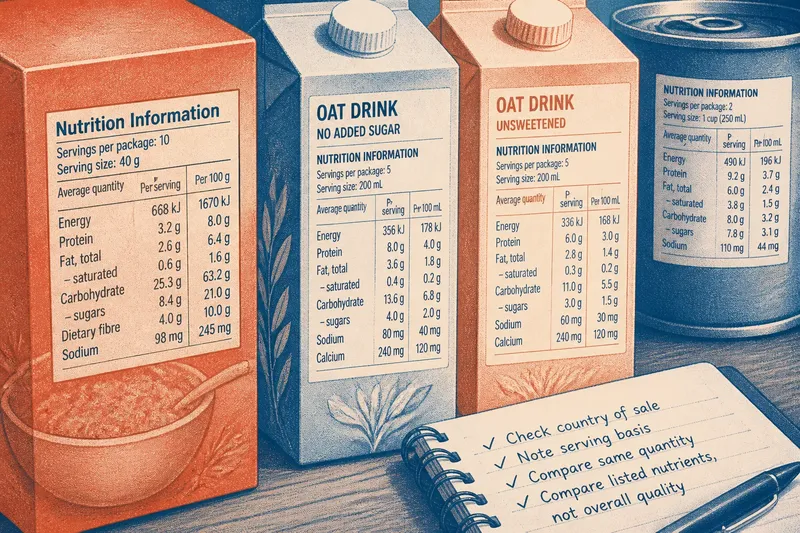
- Compare any relevant nutrition information if it is part of your decision.
- Consider taste, convenience and how you plan to use the food.
This is not a test of which pack sounds more virtuous. It is a way to decide whether the broad claim adds information you can use. If both products meet your needs, taste or convenience may matter more than the wording on the front.
What is not worth the effort is trying to guess a product’s full story from one attractive word or treating every unfamiliar ingredient as a verdict. A quick check of the details tied to your own decision is usually more useful.
What can “natural” tell you on a food label?
Does “natural” mean a food is unprocessed?
No. The word alone does not explain which processes were used or whether the product was otherwise changed. Look for a specific description if processing is central to your choice.
Does “natural” mean a product has fewer ingredients?
It does not tell you how many ingredients are in the food. Read the ingredient list if the number or identity of ingredients matters to you.
Can I rely on “natural” for an allergy decision?
No. Check the ingredient and allergen information for the product, and seek professional advice if you need help managing an allergy. A broad claim is not a substitute for that information.
Should I choose a product because it says “natural”?
Only if the product also fits what you want from it. Use the claim as a prompt to inspect the details, then make your choice on the information that answers your actual question.
Natural on a food label is a cue to look closer, not a verdict on the whole product. When you next see the word, ask what you need to know, check the information that answers it, and let that guide the choice.